
Rebar Coupler Manufacturer In Europe
30 March 2026
Rebar Coupler Manufacturer In Europe
Are You Still Using Traditional Lap Splicing in Your European Projects?
Across Europe, construction is evolving rapidly — with stricter standards, higher labor costs, and increasing pressure for sustainable building practices. If your project still relies on traditional lap splicing, you may be increasing costs, slowing down timelines, and limiting structural efficiency.
Rebar couplers are quickly becoming the preferred solution for modern construction in Europe.
What is a Rebar Coupler?
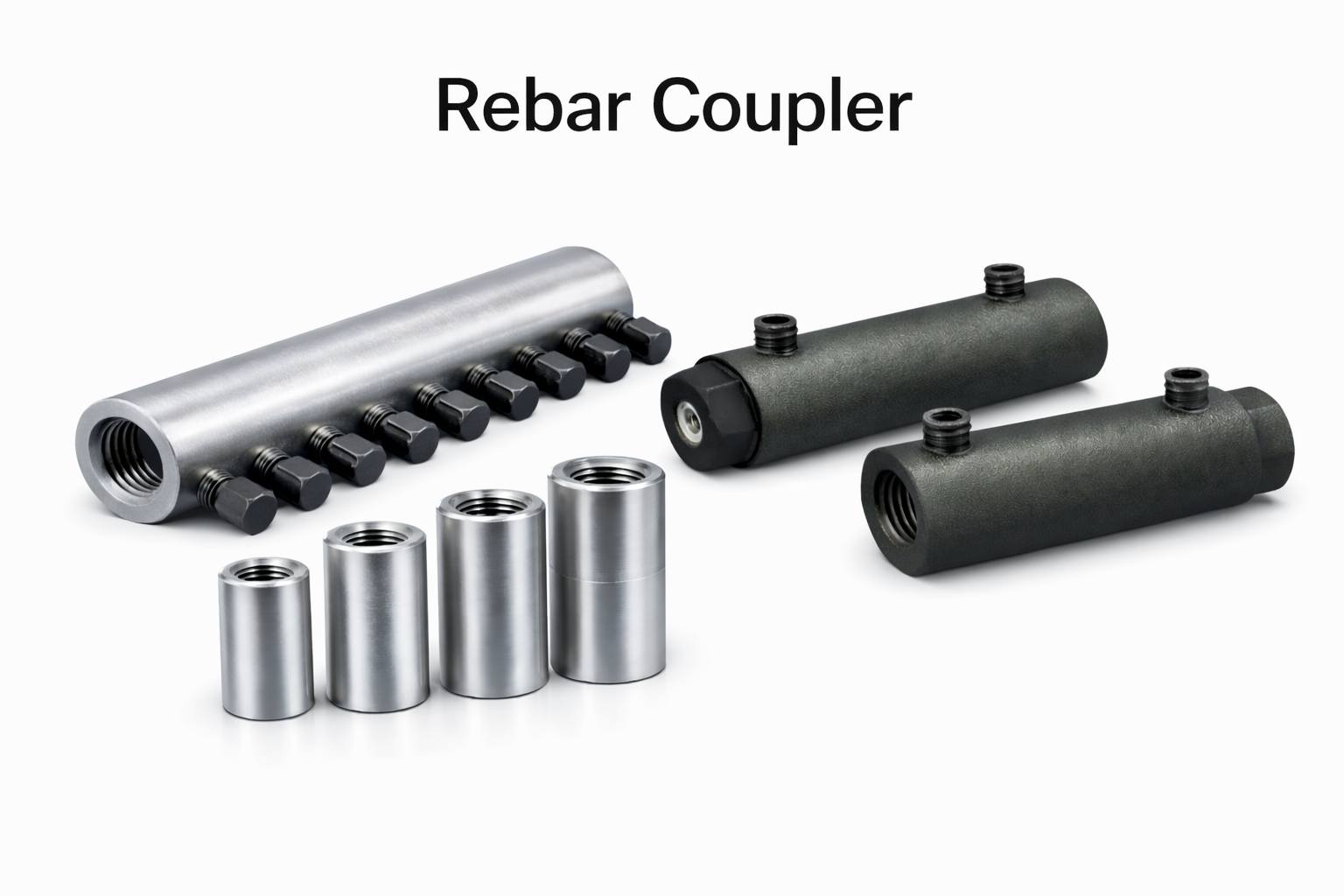
A rebar coupler is a mechanical connector used to join two reinforcing bars end-to-end, eliminating the need for overlapping steel. This creates a direct load path, ensuring better strength and performance compared to traditional methods.
Why Europe is Moving Towards Rebar Couplers
1. Compliance with European Standards
European construction follows strict regulations such as EN standards and Eurocode 2. Rebar couplers provide consistent and reliable performance, helping projects meet these requirements with ease.
2. Reduced Steel Consumption
Lap splicing requires extra steel, increasing material costs. Rebar couplers eliminate unnecessary overlap, helping reduce steel usage and overall project expenses while supporting sustainable construction.
3. Faster Construction & Labor Efficiency
With high labor costs across Europe, saving time is critical. Rebar couplers simplify installation, reduce congestion, and speed up construction timelines.
4. Superior Structural Performance
Rebar couplers provide full tensile strength, improved load transfer, and enhanced durability. They are ideal for high-rise buildings, bridges, tunnels, and seismic zones.
Applications Across Europe
Rebar couplers are widely used in:
- Infrastructure projects such as highways, bridges, and tunnels
- High-rise buildings in urban environments
- Precast construction for faster assembly and better quality control
Specification
- Product Name: Rebar Coupler (Mechanical Splice)
- Material: High-grade carbon steel / alloy steel
- Manufacturing Process: Precision machining with controlled threading/swaging
Mechanical Properties
- Tensile Strength: Meets or exceeds parent rebar strength (100% bar break performance)
- Load Transfer: Full load transfer across joint without slippage
- Fatigue Resistance: High resistance under dynamic and cyclic loading
- Corrosion Resistance: Suitable for harsh environmental conditions
Design & Compatibility
- Bar Diameter Range: 12mm to 50mm (custom sizes available)
- Thread Type: Parallel Thread / Taper Thread
- Connection Type: Mechanical splicing (threaded / swaged)
- Bar Compatibility: Compatible with standard rebars used in reinforced concrete structures
Applications
- High-rise buildings
- Bridges and flyovers
- Foundations and slabs
- Precast concrete structures
- Industrial and commercial projects
Performance Advantages
- Eliminates need for lap splicing
- Reduces steel consumption and material waste
- Saves installation time and labor cost
- Ensures uniform stress distribution
- Improves overall structural integrity
Standards & Compliance
- Designed in accordance with international construction practices
- Suitable for projects following EN / Eurocode standards
Installation
- Easy and fast installation using standard threading machines or swaging equipment
- Minimal skill requirement compared to traditional methods