
High-Performance Sheathing Pipe Manufacturers –Post-Tensioning Systems
13 March 2026
High-Performance Sheathing Pipe Manufacturers –Post-Tensioning Systems
A
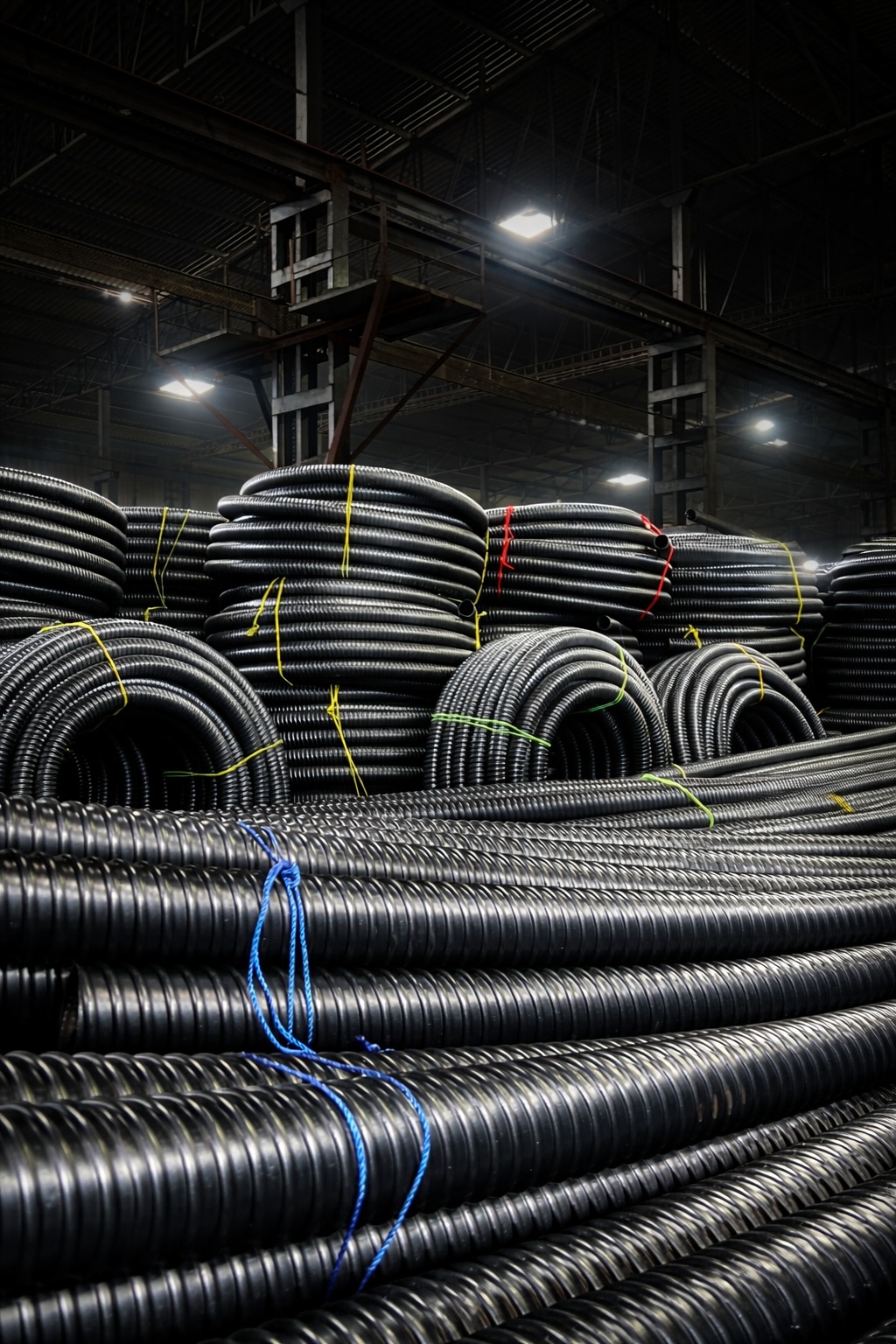
sheathing pipe, also known as a PT duct or tendon duct, is a specially
manufactured protective conduit that houses prestressing strands or cables in a
post-tensioning system.
It acts
as a barrier against moisture, chemical attack, and mechanical damage,
ensuring smooth stressing operations and effective grouting performance.
These
pipes are typically manufactured from:
- High-density polyethylene
(HDPE)
- Galvanized steel
- Corrugated metal
- Specialized polymer
compounds
Each
material type is selected based on project design requirements,
environmental exposure, and load conditions.
Importance of High-Quality Sheathing Pipes in
Infrastructure Projects
In
large-scale civil engineering works, structural components are exposed to dynamic
loads, temperature variations, vibrations, and aggressive environmental
conditions.
Premium
sheathing pipes help in:
✔ Protecting prestressing tendons
from corrosion
✔ Ensuring proper alignment and positioning of
cables
✔ Allowing smooth tensioning operations
✔ Facilitating efficient cement grouting
✔ Increasing overall structural lifespan
✔ Reducing long-term maintenance risks
Poor-quality ducts often lead to grout
leakage, tendon corrosion, and premature structural distress, which can
significantly impact project safety and lifecycle costs.
High-quality
sheathing pipes are widely used in:
- Highway and expressway
bridges
- Flyovers and elevated
corridors
- Metro rail viaduct
structures
- Large span industrial
buildings
- Water retaining structures
- Precast segmental
construction
- Commercial podium slabs
- Cable stayed bridge systems
Their performance directly influences structural stability, load distribution efficiency, and fatigue resistance.
Why Choosing the Right Manufacturer Matters
In
post-tensioning technology, precision engineering and quality control
play a decisive role.
A
reliable manufacturer ensures:
- Strict dimensional accuracy
- Consistent corrugation
profile
- High material strength
- Compliance with
international standards
- Advanced testing procedures
- Project-specific
customization
Partnering
with an experienced manufacturer enables project consultants and contractors to
achieve higher construction confidence and reduced execution risk.