
Leading Anchor Cones Manufacturer| High Strength Components
18 March 2026
Leading Anchor Cones Manufacturer| High Strength Components
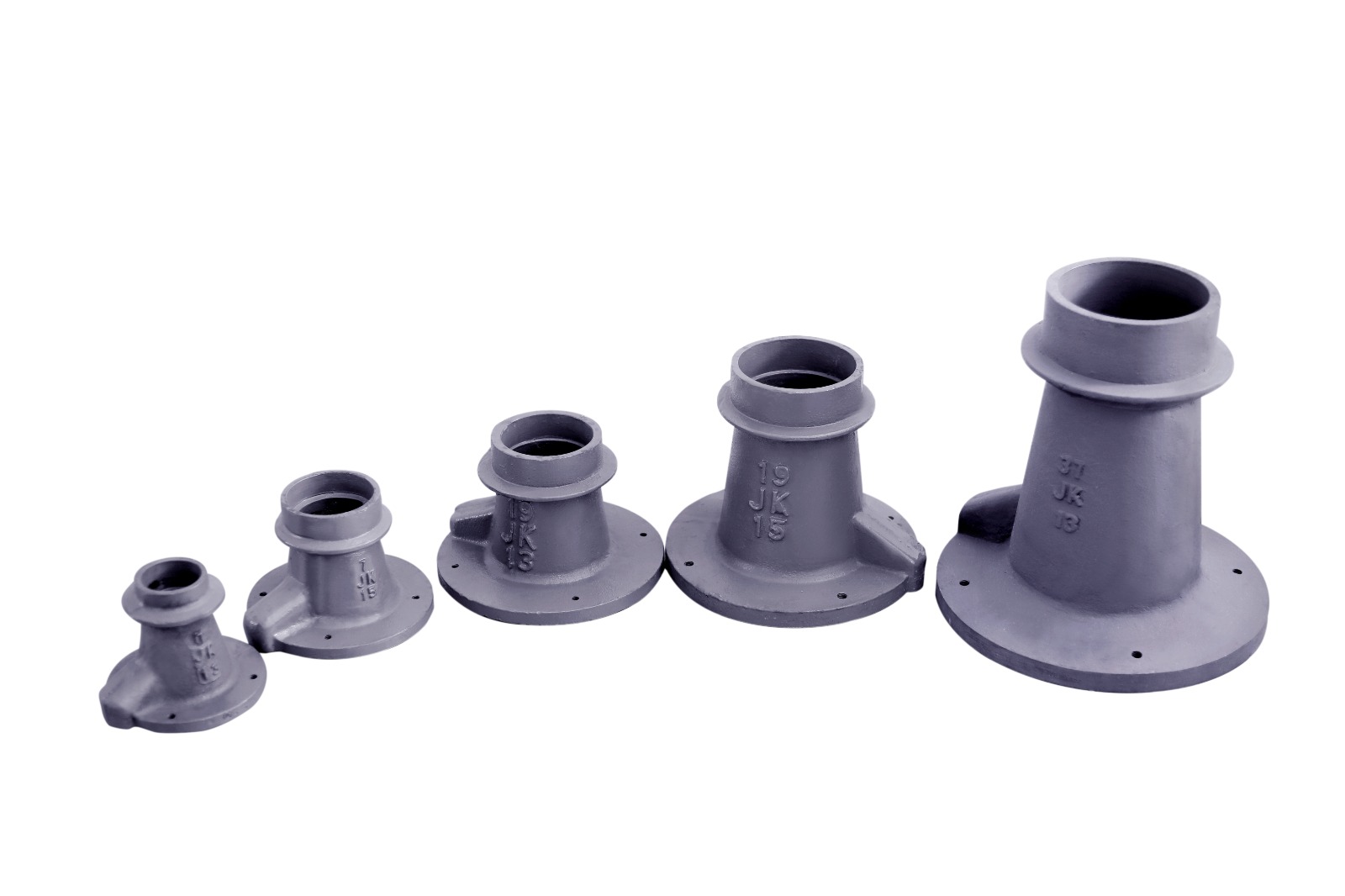
Anchor Cone for Post Tensioning Systems.
1. Efficient Force Transfer
Anchor cones are specifically designed to transfer prestressing loads effectively into concrete elements, ensuring that structures can handle dynamic loads, thermal stresses, and long-term service conditions without performance degradation.
2. Secure Strand Grip
The internal geometry of the cone ensures uniform gripping pressure on prestressing strands, minimizing the risk of tendon slippage. This secure hold is vital in high-stress environments such as expressways, bridges, and large industrial slabs.
3. Precision Alignment
Proper alignment of steel wires is essential for uniform load distribution and system efficiency. High-precision anchor cones guide strands into their optimal position within the anchorage system, improving overall structural reliability.
4. Long-Term Structural Stability
By preventing micro-movements and ensuring stable anchorage seating, anchor cones contribute significantly to extending the service life of prestressed structures.
Applications of Anchor Cones in Modern Construction
Anchor cones are widely used across a range of critical infrastructure and structural reinforcement projects, including:
-
Highway and railway bridges
-
Flyovers and elevated corridors
-
Metro rail and rapid transit structures
-
High-rise residential and commercial buildings
-
Industrial floors and heavy-duty slabs
-
Water retaining structures and tanks
-
Precast and segmental construction systems
In such demanding applications, the reliability of anchorage components becomes a decisive factor in project success.
How Anchor Cones Improve Project Efficiency
From a project execution perspective, reliable anchorage components offer several operational benefits:
-
Faster installation due to precise fit and compatibility
-
Reduced risk of rework or strand damage
-
Improved tensioning accuracy during stressing operations
-
Enhanced confidence in quality inspections and load testing
-
Greater contractor productivity and site safety
By investing in superior anchor cones, project stakeholders can achieve smoother execution timelines and better return on investment.
Choosing the Right Anchor Cone Supplier
For infrastructure consultants, EPC contractors, and structural engineers, selecting a trusted manufacturer or supplier is as important as choosing the right design. When evaluating vendors, consider:
-
Manufacturing capability and quality assurance processes
-
Compliance with international post-tensioning standards
-
Availability of technical support and customization
-
Proven track record in bridge or high-rise projects
-
Competitive pricing without compromising material quality
A dependable supplier ensures consistent product performance and uninterrupted project progress.